
COMPLEX AND CLASS ACTIONS
- OVERVIEW
- EXPERIENCE
- INSIGHTS
- NEWS & EVENTS
- PROFESSIONALS
CONTACT
- Kristen Sanocki
- 314 552 6172 314 552 6172 direct | Email
-
RELATED PRACTICES
-
RELATED INDUSTRIES
-
REPRESENTATIVE CLIENTS
-
Bayer
-
Charter Communications
-
Enterprise Rent-A-Car
-
ExxonMobil
-
Federal Signal Corporation
-
Kawasaki Motors Corp., USA
-
Mercy
-
Peabody Energy
-
UniGroup (United Van Lines)
-
U.S. Bank National Association
-
We are not afraid of the courtroom.
When companies face the daunting task of having to defend themselves in class actions, multidistrict litigation (MDLs), mass tort filings, or other complex cases, they look for lawyers with the experience, creativity, and technical resources necessary to win the day. They want a law firm with a proven record of success in many jurisdictions. Many of the attorneys in our Complex and Class Actions practice group have tried lengthy, high stakes cases in courts around the country and regularly prosecute and defend key motions before those courts. We conduct complex litigation in a focused, methodical manner that is consistent with our clients’ business goals, and we refine our strategy as cases evolve. We also know how to negotiate these cases to a favorable disposition, recognizing the increasing pressure for resolution without the risk and expense of trial.
In our view, though, you can’t settle a case successfully unless you know how to try it.
Our practice takes a proactive approach to managing our clients’ cases. Our philosophy is to develop an early strategy based on a thorough review of the law and facts. We do not suggest or pursue strategies that do not advance the client's goals, and we discuss strategies with clients at the early stages of litigation to find out what will best meet their needs and business objectives. In our experience, this careful preparation and early case assessment result in a more efficient process and a better outcome.
While our class action practice serves clients in a number of industries, we are especially known for our specific work with agriculture & food, automotive, consumer products, financial services, and media & internet companies. We also have deep experience defending environmental class actions and multidistrict litigation. With a full-service firm that encompasses transactional, regulatory, and litigation practices, Thompson Coburn’s attorneys are familiar with the nuanced and complex issues affecting these companies that often factor into class actions. We take a collaborative approach when facing these matters with our clients, using our cross-practice resources and experience to look at all possible angles for a thoughtful and creative strategy.
In recent years, we have handled hundreds of class actions ranging from contract and consumer disputes to claims alleging product defect, consumer fraud, environmental damage, violations of banking and insurance regulations and laws, antitrust laws, and securities fraud. We currently serve as national class action counsel for Charter Communications, FCA US LLC, and Kawasaki and as regional class action counsel for a major telecommunications company.
Innovative Case Management
We have developed proprietary software designed specifically for aggregate litigation and processes and procedures that help us manage cases more effectively. This gives us a particular advantage if a case proliferates into many cases around the nation. We routinely handle multi-terabytes’ worth of information and organize it so that we can retrieve it instantaneously and present it in new and compelling ways to judges and juries. Our databases of current and past cases, our internal libraries and our communications all have one goal—to serve clients better and faster.
Given our competitive advantage on rates, our experience in serving clients as national counsel, and our firm’s depth of resources, we can—and do—act quickly and respond effectively to matters throughout the country.
Thompson Coburn has tried both the longest toxic tort case in American jurisprudence (the Kemner case for Monsanto) and, more recently, one of the largest cases in American jurisprudence (the case brought by the United States against the tobacco industry in which the claim was for $280 billion).
Carlson v. ALS Enterprises, Inc.
Dismissing product defect class action due to plaintiffs’ failure to satisfy the Rule 9(b) pleading standard on a defendant-by-defendant basis.
On appeal, granting motion for judgment on the pleadings against class action claim under the federal Fair Credit Reporting Act.
Granting motion for judgment on the pleadings against class action claim under the federal Fair Credit Reporting Act.
Phillips v. Bally Total Fitness Holding Corp.
Affirming dismissal of out-of-state class action plaintiffs for lack of standing under Illinois Consumer Fraud Act.
Smith v. Illinois Central R.R. Co.
Accepting for review and reversing intermediate appellate affirmance of class certification in railroad derailment case.
Owner-Operator Indep. Drivers Ass’n. v. United Van Lines
Precluding the prospect of class treatment by granting defendant’s motion to compel arbitration of federal truth-in-leasing claims.
In re Methyl Tertiary Butyl Ether (“MTBE”) Products Liability Litig.
Denying motion to certify proposed multistate class of well owners because of various manageability concerns.
In re Medical Monitoring Litigation, Civil Action No. 00-C-6000
Product Liability class action of 270,000 West Virginia cigarette smokers tried to a jury verdict. First trial (January 4-22, 2001) ended in a mistrial. Second trial lasted 26 trial days (September 5-November 14, 2001). Defense verdict
on all counts, including product defect, negligence and breach of voluntary undertaking.
In re Methyl Tertiary Butyl Ether (“MTBE”) Products Liability Litig.
Dismissing class action claims of well owners who could not allege credible fear that MTBE threatened their drinking water wells (Southern District of New York).
Kienle v. Hunter Engineering Co.
Dismissing class action ERISA claims as time-barred.
Chandler v. Norwest Bank Minnesota, N.A.
Affirming Rule 11 sanctions against class action plaintiff’s attorney for filing frivolous RESPA claims.
Saey v. CompUSA, Inc.
Refusing to certify class of personal computer purchasers due to lack of numerosity.
TCLE
Publications
Out with the old, in with the NAPSC: FTC announces changes to HSR Revenue Reporting
In California, when is a ‘worker’ considered an ‘employee’?
Supreme Court clarifies definition of ‘church plan’ under ERISA
House passes bill to clamp down on class actions
Class action defendants benefit from Spokeo’s ruling on standing
Blog Posts
Recreational cannabis in the workplace: A guide for California employers
Recent settlements highlight plaintiff pitfalls in data breach cases
Missouri appellate court rejects ‘ingredient list’ defense in food labeling case
Another judge rules Starbucks doesn't deceive with its ice
Tyson Foods decision leaves questions, and opportunities, for class action defendants
Limiting Tort Liability for Cannabis: Failure to Warn Part I – the LivWell Lawsuit
News
Roman Wuller Named St. Louis United Way Board Chair
Health care litigator Mackenzie Wallace joins Thompson Coburn in Dallas
National law firm Thompson Coburn lands four partners in new Dallas office
Congratulations to our 14 ‘Lawyers of the Year’ for 2020
Booker Shaw receives Distinguished Lawyer Award at 2019 Law Day celebration
Helen B. Kim, Jennifer Post named Most Influential Women Lawyers in LA for 2018
Booker Shaw Honored as Legal Legend
Helen B. Kim, Jennifer Post named among the ‘Most Influential Minority Attorneys in Los Angeles’
Thompson Coburn attorneys win 8th Circuit victory for Scottrade in securities class action
Amanda Hettinger, Sarah Wade named to 2017 Up & Coming list
Scottrade wins dismissal of data breach class action in the 8th Circuit
Sharon Rosenberg selected as one of Missouri’s Up & Coming
Judge Shaw helps Philip Morris defeat $1.5B class action case in 30 minutes
Missouri Lawyers Weekly honors Booker Shaw with Mentor Award
25 Thompson Coburn attorneys recognized in 2015 Chambers USA
Employment litigator John Viola joins Thompson Coburn in Los Angeles
Congratulations to our 15 St. Louis ‘Lawyers of the Year’
Higher education attorney Aaron D. Lacey joins Thompson Coburn
Booker T. Shaw honored as 2014 professional mentor of the year
Missouri Supreme Court sides with Mercy Hospital St. Louis in class action over billing practices
Chicago judge tosses nationwide class action against Kawasaki
|
Partner
|
New York
|
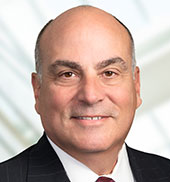
John draws on his more than 30 years of litigation experience to represent a wide variety of clients in federal and state trial and appellate courts. John draws on his more than 30 years of litigation experience to represent ... |
|
|||||
|
Partner
|
St. Louis
|
With over 30 years of experience, David has tried dozens of high stakes cases. With over 30 years of experience, David has tried dozens of high stakes cas... |

|
|||||
|
Partner
|
Chicago
|
David concentrates his practice in product liability and complex commercial litigation in federal and state courts in Illinois and elsewhere. David concentrates his practice in product liability and complex commercial... |

|
|||||
|
Partner
|
St. Louis
|
Jeff helps all types of businesses navigate complex litigation, arbitration, class action, regulatory, and transactional matters in venues across the country. Jeff helps all types of businesses navigate complex litigation, arbitration... |

|
|||||
|
Partner
|
St. Louis
|
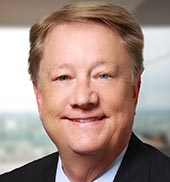
John represents domestic and international clients in complex litigation and multi-district litigation in some of the most challenging state and federal venues in the cou... John represents domestic and international clients in complex litigation an... |
|
|||||
|
Partner
|
St. Louis
|
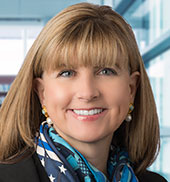
Suzanne is a versatile litigator who finds creative solutions for clients facing difficult and protracted legal battles. Suzanne is a versatile litigator who finds creative solutions for clients f... |
|
|||||
|
Partner
|
St. Louis
|
Ed is a veteran litigator and head of the Firm's Antitrust Practice Group. Ed is a veteran litigator and head of the Firm's Antitrust Practice Group. |

|
|||||
|
Partner
|
St. Louis
|
Amanda is a litigator and highly experienced trial team leader for Fortune 500 companies facing class actions and complex business disputes. Amanda is a litigator and highly experienced trial team leader for Fortune ... |

|
|||||
|
Partner
|
St. Louis
|
Chris chairs the 200-attorney Litigation Department at Thompson Coburn and is co-chair of Business Litigation, the largest practice group in the Firm. Chris chairs the 200-attorney Litigation Department at Thompson Coburn and ... |

|
|||||
|
Partner
|
St. Louis
|
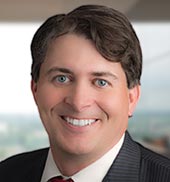
John handles complex commercial litigation in state and federal courts across the nation. John handles complex commercial litigation in state and federal courts acro... |
|
|||||
|
Partner
|
St. Louis
|
Nick is a Fellow of the American College of Trial Lawyers. Nick is a Fellow of the American College of Trial Lawyers. |

|
|||||
|
Partner
|
New York
|
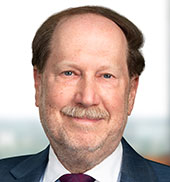
Steve represents financial institutions, businesses and constituencies in major commercial disputes, with a particular focus in lender liability cases, fraud-based invest... Steve represents financial institutions, businesses and constituencies in m... |
|
|||||
|
Partner
|
St. Louis
|
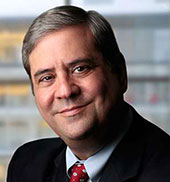
Jan is a former United States Attorney with extensive trial experience who represents companies and individuals in major litigation and regulatory actions. Jan is a former United States Attorney with extensive trial experience who ... |
|
|||||
|
Partner
|
Chicago
|
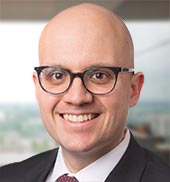
Patrick litigates on behalf of a diverse range of clients in commercial litigation and appeals throughout the Midwest. Patrick litigates on behalf of a diverse range of clients in commercial lit... |
|
|||||
|
Partner
|
St. Louis
|
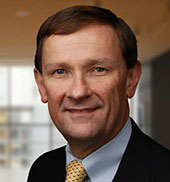
Mike is a litigator who defends banking and healthcare clients. Mike is a litigator who defends banking and healthcare clients. |
|
|||||
|
Partner
|
Dallas
|
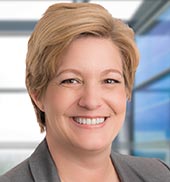
Elizabeth represents clients in high-stakes litigation across the country, involving commercial disputes, product defects claims, and consumer fraud, and securities fraud... Elizabeth represents clients in high-stakes litigation across the country, ... |
|
|||||
|
Partner
|
Chicago
|
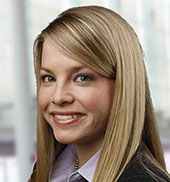
Emily is an experienced litigator representing companies, financial institutions, executives, officers, and individuals in a wide range of business issues, including cont... Emily is an experienced litigator representing companies, financial institu... |
|
|||||
|
Partner
|
Southern Illinois
|
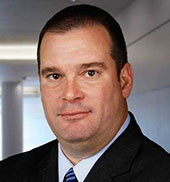
Kurt is experienced in the defense of personal injury and property damage litigation including FELA, trucking, product liability, class action and mass tort litigation. Kurt is experienced in the defense of personal injury and property damage l... |
|
|||||
|
Partner
|
St. Louis
|
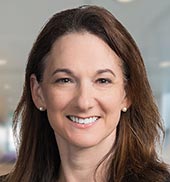
Sharon develops and executes highly effective MDL and class action defense strategies for major companies across a variety of sectors, including agriculture, transp... Sharon develops and executes highly effective MDL and class action de... |
|
|||||
|
Partner
|
St. Louis
|
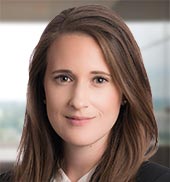
Kristen is a litigator representing corporations in sophisticated complex commercial disputes, multidistrict litigation, and class actions across the country. Kristen is a litigator representing corporations in sophisticated complex c... |
|
|||||
|
Partner
|
St. Louis
|
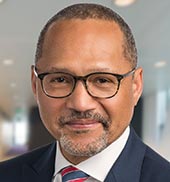
Retired Judge Booker Shaw is a skilled litigator and appellate advocate who brings valuable insight and perspective gained from his more than 25 years on the bench. Retired Judge Booker Shaw is a skilled litigator and appellate advocate who... |
|
|||||
|
Partner
|
Los Angeles
|
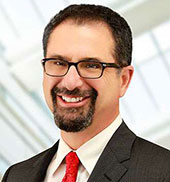
John serves as a one-stop resource for employment counseling and litigation for companies in California and across the country. John serves as a one-stop resource for employment counseling and litigation... |
|
|||||
|
Partner
|
St. Louis
|
Bob has more than 25 years of experience defending class actions in state and federal courts across the country. Bob has more than 25 years of experience defending class actions in state a... |

|
|||||
|
Partner
|
Dallas
|
Nicole is a highly experienced trial lawyer representing clients in matters involving antitrust, advertising, business divorces and disputes, fraud investigations and lit... Nicole is a highly experienced trial lawyer representing clients in matters... |

|
|||||
|
Chair
|
St. Louis
|
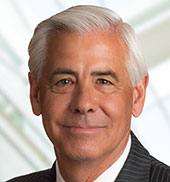
Roman serves as Chair of Thompson Coburn. Roman serves as Chair of Thompson Coburn. |
|
|||||