
APPELLATE
- OVERVIEW
- EXPERIENCE
- INSIGHTS
- NEWS & EVENTS
- PROFESSIONALS
CONTACT
- Douglas Lang
- 972 629 7143 972 629 7143 direct | Email
- Booker Shaw
- 314 552 6087 314 552 6087 direct | Email
The Appellate Group practices in a wide variety of substantive law areas, including class action, commercial, constitutional, corporate fraud and misconduct, employment, product liability, railroad regulatory and tort litigation.
Clients choose our appellate lawyers to implement sophisticated post-trial and appellate strategies. In addition to appellate litigation arising from cases litigated by our trial lawyers, we represent clients in post-trial and appellate matters that have been litigated in the trial court by lawyers from other firms because we consistently produce persuasive, effective briefs and oral arguments.
Members of the Appellate practice work closely with our trial lawyers so that legal issues are preserved and dispositive pretrial and post-trial motions are properly briefed and argued. We form trial and appellate teams for large and complex cases so that potential litigation strategies are fully explored and the client’s interests are well protected.
Several of our appellate attorneys have appeared before the U.S. Supreme Court and have filed amici briefs for a number of clients. For example, one of our partners successfully argued the historic state sovereign immunity case, Federal Maritime Commission v. South Carolina State Ports Authority, 535 U.S. 743 (2002). Another partner successfully argued Intertanko v. Locke (consolidated for argument with United States v. Locke), 529 U.S. 89 (2000) for international shipping interests before the Supreme Court of the United States. This has become a lead case in maritime constitutional preemption issues. Having a Washington, D.C., office further enhances our ability to keep close watch on substantive law developments at the Court, while still observing judicial trends in state and federal jurisdictions throughout the country.
Representative Supreme Court Decisions
Federal Maritime Commission v. South Carolina State Ports Authority, 535 U.S. 743 (2002)
States and their instrumentalities are entitled to sovereign immunity in proceedings before federal administrative tribunals. A vessel operator filed a complaint at the Federal Maritime Commission against the South Carolina State Ports Authority. The ALJ dismissed the complaint on the basis of the state’s sovereign immunity reflected in the 11th Amendment to the U.S. Constitution. The Commission itself reversed. TC petitioned for review by the U.S. Court of Appeals for the Fourth Circuit and secured a unanimous decision reversing the Commission. The Federal Maritime Commission, joined by the Solicitor General, filed a Petition for Certiorari, which was granted. TC successfully argued that the principle of state sovereign immunity reflected in the 11th Amendment transcended its literal language to apply to proceedings before federal agencies and was not limited to cases filed in Article III courts. The decision, one of the most significant in perhaps the oldest line of Supreme Court cases, affirms the dual sovereignty inherent in our federal system of government.
Insurance Company v. Bank (2000)
Administrative claimant of a bankruptcy estate does not have independent right to seek payment of claim by a surcharge against the value of collateral held by a secured party.
Representative Appellate Decisions
Sihnhold v. Missouri State Employees Retirement System
Retired administrative law judge not entitled to retroactive increase in retirement benefits [TC represented retirement system].
Scanwell Freight Express STL, Inc. v. Chan
Error in jury instruction on employee’s duty of loyalty when leaving for new employment required new trial on claim against employee; Missouri Supreme Court later adopted new approved instruction in accordance with this opinion [TC represented employee].
Illinois Vehicle Code provision limiting the time a train can obstruct a grade crossing was preempted and violated Commerce Clause [TC represented railroad].
Smith v. Illinois Central Railroad Co.
Certification of class of persons and businesses allegedly exposed to toxic substances after train derailment was not appropriate because common issues did not predominate [TC represented railroad].
Publications
Bankruptcy Code § 363(m) is now up for interpretation at the U.S. Supreme Court
Blog Posts
Recreational cannabis in the workplace: A guide for California employers
News
Booker Shaw Named to Appellate Law 2024 Power List
Jasmine Wynton appointed to the Northern District of Texas’ Court Advisory Committee
Thompson Coburn strengthens national appellate practice with Dallas addition of Justice Douglas Lang
National law firm Thompson Coburn lands four partners in new Dallas office
Booker Shaw receives Distinguished Lawyer Award at 2019 Law Day celebration
|
Partner
|
Washington, D.C.
|
As counsel to a variety of electric industry participants, Josh helps clients navigate state and federal regulatory processes and resolve complex transactional and ratema... As counsel to a variety of electric industry participants, Josh helps clien... |
|
|||||
|
Partner
|
New York
|
John draws on his more than 30 years of litigation experience to represent a wide variety of clients in federal and state trial and appellate courts. John draws on his more than 30 years of litigation experience to represent ... |
|
|||||
|
Senior Counsel
|
Washington, D.C.
|
Jonathan focuses on regulatory issues and litigation affecting domestic and international maritime and shipping matters, as well as international trade regulation issues ... Jonathan focuses on regulatory issues and litigation affecting domestic and... |
|
|||||
|
Partner
|
Chicago
|
Christina Berish is a deeply valued resource to clients as they interpret and enforce agreements. Christina Berish is a deeply valued resource to clients as they interpret a... |
|
|||||
|
Senior Counsel
|
Washington, D.C.
|
Bonnie advises and advocates for clients on wholesale electric market rules and transmission access and pricing issues. Bonnie advises and advocates for clients on wholesale electric market rules... |
|
|||||
|
Partner
|
Los Angeles
|
A senior litigator with more than 30 years of experience, Jeff Brown develops and executes highly effective litigation strategies for clients facing all types of complex ... A senior litigator with more than 30 years of experience, Jeff Brown develo... |
|
|||||
|
Partner
|
St. Louis
|
Matt serves as co-chair of our insurance practice group, guiding policyholders, insurers and insurance professionals on everything from policy placement through the litig... Matt serves as co-chair of our insurance practice group, guiding policyhold... |
|
|||||
|
Partner
|
Washington, D.C.
|
Warren Dean practices in the field of federal regulation of transportation services, both domestic and international. Warren Dean practices in the field of federal regulation of transportation ... |

|
|||||
|
Partner
|
St. Louis
|
David is a lead trial lawyer with a track record of success across a diverse array of claims, including various types of construction and real estate disputes, business t... David is a lead trial lawyer with a track record of success across a divers... |

|
|||||
|
Partner
|
Dallas
|
Jenny is an experienced and strategic trial lawyer focusing her practice on health care, social justice, white-collar fraud and complex commercial litigation. Jenny is an experienced and strategic trial lawyer focusing her practice on... |
|
|||||
|
Partner
|
St. Louis
|
Jeff helps all types of businesses navigate complex litigation, arbitration, class action, regulatory, and transactional matters in venues across the country. Jeff helps all types of businesses navigate complex litigation, arbitration... |
|
|||||
|
Partner
|
St. Louis
|
Larry is a business litigator resolving complex cases involving shareholder rights, business valuations, fiduciary duty claims, and other contract and business disputes. Larry is a business litigator resolving complex cases involving shareholder... |
|
|||||
|
Partner
|
St. Louis
|
Amanda is a litigator and highly experienced trial team leader for Fortune 500 companies facing class actions and complex business disputes. Amanda is a litigator and highly experienced trial team leader for Fortune ... |
|
|||||
|
Partner
|
St. Louis
|
Chris chairs the 200-attorney Litigation Department at Thompson Coburn and is co-chair of Business Litigation, the largest practice group in the Firm. Chris chairs the 200-attorney Litigation Department at Thompson Coburn and ... |

|
|||||
|
Partner
|
St. Louis
|
John handles complex commercial litigation in state and federal courts across the nation. John handles complex commercial litigation in state and federal courts acro... |
|
|||||
|
Senior Counsel
|
St. Louis
|
Kent has spent much of his career representing financial services clients of the Firm, particularly securities brokers and dealers, investment advisors, investment compan... Kent has spent much of his career representing financial services clients o... |
|
|||||
|
Partner
|
Washington, D.C.
|
Katie advises public transit agencies around the country on a variety of regulatory and compliance issues, including public sector procurement, project delivery, Buy Amer... Katie advises public transit agencies around the country on a variety of re... |

|
|||||
|
Partner
|
St. Louis
|
Matt practices in the areas of state and local tax (SALT) controversy, banking and financial services litigation, business litigation and appellate. Matt practices in the areas of state and local tax (SALT) controversy, bank... |
|
|||||
|
Senior Counsel
|
Dallas
|
Justice (Fmr) Douglas Lang advises clients on litigation and appellate strategies and presents appeals for pending matters in jurisdictions across the country. Justice (Fmr) Douglas Lang advises clients on litigation and appellate stra... |
|
|||||
|
Partner
|
New York
|
Steve represents financial institutions, businesses and constituencies in major commercial disputes, with a particular focus in lender liability cases, fraud-based invest... Steve represents financial institutions, businesses and constituencies in m... |
|
|||||
|
Partner
|
Washington, D.C. |
Los Angeles |
Meg advises and represents municipally-owned utilities across the nation as a sought-after legal counsel on Federal Energy Regulatory Commission (FERC) matters. Meg advises and represents municipally-owned utilities across the nation as... |
|
|||||
|
Partner
|
St. Louis
|
Manoo serves as a strategist for high-stakes litigation, tapping his well-honed research and writing skills to craft motions and briefs that help clients navigate thorny ... Manoo serves as a strategist for high-stakes litigation, tapping his well-h... |

|
|||||
|
Partner
|
St. Louis
|
Mike is a litigator who defends banking and healthcare clients. Mike is a litigator who defends banking and healthcare clients. |
|
|||||
|
Partner
|
New York
|
Zachary delivers practical, tactical, and experienced advice to corporate, lending, and fiduciary clients with respect to all phases of litigation, alternate dispute reso... Zachary delivers practical, tactical, and experienced advice to corporate, ... |
|
|||||
|
Senior Counsel
|
St. Louis
|
Rick devotes his entire practice to the defense of employers in ERISA litigation related to pension, life, health, and disability benefits, both self-funded and insured. Rick devotes his entire practice to the defense of employers in ERISA litig... |

|
|||||
|
Partner
|
Southern Illinois
|
Kurt is experienced in the defense of personal injury and property damage litigation including FELA, trucking, product liability, class action and mass tort litigation. Kurt is experienced in the defense of personal injury and property damage l... |
|
|||||
|
Partner
|
St. Louis
|
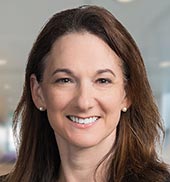
Sharon develops and executes highly effective MDL and class action defense strategies for major companies across a variety of sectors, including agriculture, transp... Sharon develops and executes highly effective MDL and class action de... |
|
|||||
|
Partner
|
Chicago |
Washington, D.C. |
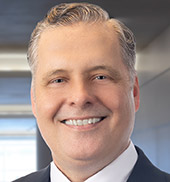
Matt is a highly experienced energy attorney who helps cooperative and municipal electric utilities and regulated pipeline clients across the country navigate federal and... Matt is a highly experienced energy attorney who helps cooperative and muni... |
|
|||||
|
Partner
|
St. Louis
|
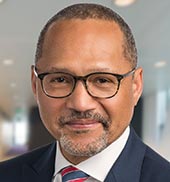
Retired Judge Booker Shaw is a skilled litigator and appellate advocate who brings valuable insight and perspective gained from his more than 25 years on the bench. Retired Judge Booker Shaw is a skilled litigator and appellate advocate who... |
|
|||||
|
Senior Counsel
|
St. Louis
|
Dave represents railroads and major manufacturers in environmental and occupational exposure litigation throughout the Midwest and across the country. Dave represents railroads and major manufacturers in environmental and occu... |

|
|||||
|
Partner
|
Southern Illinois
|
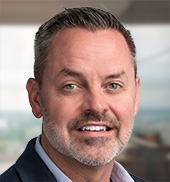
Erick is a litigation partner in the Firm's Southern Illinois office. Erick is a litigation partner in the Firm's Southern Illinois office. |
|
|||||
|
Partner
|
Los Angeles
|
John serves as a one-stop resource for employment counseling and litigation for companies in California and across the country. John serves as a one-stop resource for employment counseling and litigation... |
|
|||||
|
Partner
|
St. Louis
|
Jason is a dynamic and highly effective litigator who develops and executes creative solutions to resolve product liability, personal injury, and commercial disputes in s... Jason is a dynamic and highly effective litigator who develops and executes... |
|
|||||