
RAILROAD
- OVERVIEW
- EXPERIENCE
- INSIGHTS
- NEWS & EVENTS
- PROFESSIONALS
CONTACT
- Nick Lamb
- 314 552 6066 314 552 6066 direct | Email
- Kurt Reitz
- 618 236 3415 618 236 3415 direct | Email
-
SERVICE AREAS
-
RELATED PRACTICES
-
RELATED INDUSTRIES
-
REPRESENTATIVE CLIENTS
-
BNSF Railway Company
-
CSX Transportation
-
Illinois Central Railroad Company
-
Kansas City Southern
-
Norfolk Southern
-
Our railroad practice dates back to when steam locomotives dominated the rails. Our relationship with the industry continues to this day with our attorneys and paralegals working together to represent numerous Class I, regional and short line railroads. We know the business, its people and its history.
The scope of service we provide to the industry is all-encompassing. Thompson Coburn defends FELA traumatic and occupational claims, third-party tort claims, labor cases, environmental matters, freight disputes and disputes about side track agreements. We also provide real estate, regulatory and corporate assistance to major railroads. We also play a significant role in shaping railroad law, participating in the regulatory process and obtaining successful results in federal and state appeals courts.
Our decades of experience includes representing such notable clients as the Norfolk and Western Railway; New York, Chicago and St. Louis Railroad; and St. Louis Southwestern Railway. Now we count some of the biggest names in the industry as our clients—BNSF Railway, CSX Transportation, Canadian National Railway, Kansas City Southern Railway, and Norfolk Southern.
We are proud of our relationships with our railroad clients. We work hand-in-hand with clients to achieve their objectives, combining an understanding of their needs with our knowledge of the industry. We apply the depth of our industry knowledge, talented personnel and cutting-edge technology to ensure the highest quality of service in a timely and cost-efficient manner.
We are pioneers in the use of alternative billing arrangements and database management. In addition, we are always cognizant of the need for early, high-quality evaluations of difficult cases. Perhaps most important, at all levels of the firm we stress the need for imaginative approaches to tough cases and the importance of prompt and timely communication.
Litigation
Plaintiff alleged that he was injured during the course of his employment as a locomotive engineer. The Court affirmed a very low verdict for the plaintiff and issued a lengthy opinion that rejected numerous challenges of the lower court's rulings, including dismissal of one count. The opinion rejected plaintiff's attacks on the evidence of plaintiff's failure to mitigate his damages – an important issue for all railroads in Federal Employers’ Liability Act (FELA) litigation.
Thompson Coburn represented a railroad on 5 separate claims involving significant personal injuries and two fatalities. Plaintiffs claimed that the flashing signals were not operating at the time of the accident. The case was tried in federal court in Springfield, Illinois for 3-1/2 weeks with the plaintiffs requesting $43 million in damages in their closing arguments. The jury deliberated for 1 hour and 20 minutes before returning defense verdicts on all the claims.
Thompson Coburn represented a railroad in a cumulative trauma double knee joint replacement in St. Clair County, Illinois. The plaintiff was a conductor who claimed walking on ballast along the tracks, getting on and off moving equipment and climbing ladders on railcars to set and release handbrakes throughout his career caused him to develop degenerative conditions in his knees. The week-and-a-half-long trial resulted in the jury returning defense verdicts on all counts of plaintiff’s Complaint.
Smith v. Illinois Central R.R. Co.
This case was originally filed as a class action in St. Clair County, Illinois arising from the derailment of a train with rail cars containing chemicals such as hydrochloric acid, vinyl chloride and methanol. The Illinois Supreme Court unanimously reversed the Fifth District’s class certification ruling and remanded the case.
Labor and Employment
The railroad and former employees initially prevailed in arbitration seeking severance benefits for approximately 310 employees, claiming that their job losses were causally related to a railroad merger. Each employee claimed to six years of severance pay, totaling approximately $21.2 million plus interest. Upon appeal to the Surface Transportation Board and then to the D.C. Circuit, the arbitrator’s finding was reversed, holding that there was no evidence in the record to support the finding that the outsourcing of MIS was causally related to the merger. The Court found that the STB acted arbitrarily and capriciously in upholding the finding.
Successfully defended lawsuits alleging bad faith actions by a major railroad involving its maintenance of way workers.
Real Estate, Zoning and Land Use
Norfolk Southern Railway Company v. Ameren Corporation
We successfully contested Ameren’s right to use a 7-mile stretch of right-of-way in the St. Louis metropolitan area. The railroad terminated Ameren’s license for use of the rail corridor and Ameren counter-claimed for condemnation of part of the utility corridor. The case settled favorably on the basis of corridor value shortly before trial and after partial summary judgment in favor of the railroad.
Former Missouri Attorney General Jay Nixon alleged that the Boonville Bridge was part of the Katy Trail, pursuant to a trails agreement, and asserted a property interest in the bridge. The railroad wanted to dismantle the abandoned bridge and use it to construct a new bridge over the Osage River. We prevailed on summary judgment in Cole County and held the judgment on appeal to the Western District Court of Appeals. We also represented the railroad before the Clean Water Commission, which upheld issuance of the DNR permit.
We represented a railroad in a quiet title and slander of title action involving the railroad’s sale of excess right-of-way.
Appellate
Norfolk Southern Railway Company v. Sorrell
Missouri’s jury instructions erroneously provided for different causation standards for an employer’s negligence and an employee’s contributory negligence under FELA.
Southern Pacific Empowered Employees Committee and four individual claimants commenced arbitration seeking severance benefits on behalf of approximately 310 former employees of the Southern Pacific Transportation Company (“SPTC”) who had lost their jobs when SPTC outsourced its MIS department. After an arbitrator ruled in favor of SPEEC on liability, our client (the successor to SPTC) appealed to the Surface Transportation Board. The STB affirmed the arbitrator and our client appealed to the D.C. Circuit where the ruling was reversed.
Injunction against blocking of railroad crossing pre-empted by the Federal Railroad Safety Authorization Act of 1994 (“FRSA”) and violates Commerce Clause of United States Constitution.
Trial court abused its discretion in denying railroad’s motion to transfer to another county for forum non conveniens.
Punitive damage award of $50 million (reduced from a jury award of $120 million) in crossing case reversed for lack of sufficient evidence of complete indifference or conscious disregard of plaintiff’s safety.
Chandler v. Illinois Central R. Co.
Railroad owed no duty to install warning devices other than those approved by state regulatory body.
Blog Posts
FDA sanitary transport rule impacts railroads, other shippers
Publications
EEOC issues new guidance on COVID-19 vaccinations in the workplace
Air, rail and marine finance: New or not-so-new things to know
Seven steps to avoid the new waves of Chinese tariffs on industrial goods
Illinois appellate court strengthens sole proximate cause defense in asbestos cases
News
Congratulations to our 2021 Best Lawyers ‘Lawyers of the Year’ and ‘Ones to Watch’
Booker Shaw receives Distinguished Lawyer Award at 2019 Law Day celebration
Nick Lamb named the Lexology Client Choice Award winner for litigation in Missouri
U.S. Senate confirms former Thompson Coburn partner Tom Jayne to Railroad Retirement Board
Thompson Coburn earns 11 national top-tier rankings in U.S. News 2019 ‘Best Law Firms’ survey
Congratulations to our 14 ‘Lawyers of the Year’ for 2019
U.S. News & World Report names Thompson Coburn as best for railroad law
Thompson Coburn earns 12 national top-tier rankings in U.S. News ‘Best Law Firms’ survey
De Smet High School names Nick Lamb to its Hall of Fame
Ryan Russell Kemper named to St. Louis Business Journal’s 40 Under 40 list
Thompson Coburn earns 11 national top-tier rankings in U.S. News ‘Best Law Firms’ survey
Thompson Coburn earns corporate counsel recommendations five years running in national report
Congratulations to our 15 St. Louis ‘Lawyers of the Year’
Thompson Coburn adds associates across four offices
Two partners named ‘2014 BTI Client Service All-Stars’
Thompson Coburn earns six national top-tier rankings in U.S. News ‘Best Law Firms’ survey
Thompson Coburn again earns national top-tier rankings in U.S. News ‘Best Law Firms’ survey
19 Thompson Coburn partners named 2013 St. Louis Lawyers of the Year
|
Counsel
|
Southern Illinois
|
Crystal has years of experience defending large corporations in civil litigation. Crystal has years of experience defending large corporations in civil litig... |

|
|||||
|
Associate
|
Southern Illinois
|
Jayci is a member of the Litigation Group and represents clients in the areas of products liability, toxic torts, personal injury and railroad litigation. Jayci is a member of the Litigation Group and represents clients in the are... |
|
|||||
|
Partner
|
St. Louis
|
David is a lead trial lawyer with a track record of success across a diverse array of claims, including various types of construction and real estate disputes, business t... David is a lead trial lawyer with a track record of success across a divers... |

|
|||||
|
Partner
|
Southern Illinois
|
Misty represents companies facing litigation in high-risk venues across the Midwest. Misty represents companies facing litigation in high-risk venues across the... |
|
|||||
|
Associate
|
Southern Illinois
|
Ken is a member of the Litigation Group and practices in the areas of products liability, toxic torts, personal injury and railroad litigation. Ken is a member of the Litigation Group and practices in the areas of produ... |
|
|||||
|
Associate
|
Southern Illinois
|
Lindsay handles general commercial litigation matters, focusing on railroad litigation, product liability, and toxic torts. Lindsay handles general commercial litigation matters, focusing on railroad... |
|
|||||
|
Partner
|
St. Louis
|
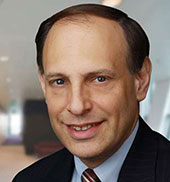
Cliff is a nationally recognized labor and employment attorney who advises executives and HR leaders on all aspects of employment litigation and labor disputes. Cliff is a nationally recognized labor and employment attorney who advises ... |
|
|||||
|
Partner
|
St. Louis
|
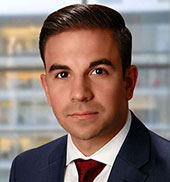
Ben primarily represents clients in complex product liability and other tort matters, often defending designers, manufacturers, and distributors against high exposure pro... Ben primarily represents clients in complex product liability and other tor... |
|
|||||
|
Partner
|
St. Louis
|
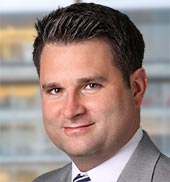
Ryan has a broad and diverse practice serving clients navigating sophisticated matters related to air, water, land, energy, agriculture, emergency response and climate is... Ryan has a broad and diverse practice serving clients navigating sophistica... |
|
|||||
|
Partner
|
St. Louis
|
Nick is a Fellow of the American College of Trial Lawyers. Nick is a Fellow of the American College of Trial Lawyers. |

|
|||||
|
Partner
|
Southern Illinois
|
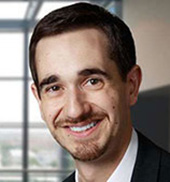
Erik practices in the Litigation Group, with an emphasis on products liability, toxic torts, and railroad litigation. Erik practices in the Litigation Group, with an emphasis on products liabil... |
|
|||||
|
Practice Area Specialist - Railroad Litigation
|
Southern Illinois
|
Sheri is a practice area specialist for the Firm's railroad litigation practice groups. Sheri is a practice area specialist for the Firm's railroad litigation prac... |

|
|||||
|
Partner
|
Southern Illinois
|
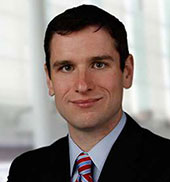
Kevin is a litigation partner focusing in the areas of asbestos, toxic tort, personal injury, products liability, and railroad litigation. Kevin is a litigation partner focusing in the areas of asbestos, toxic tort... |
|
|||||
|
Paralegal
|
Southern Illinois
|
Kim Poole is a paralegal in the firm's Southern Illinois office. Kim Poole is a paralegal in the firm's Southern Illinois office. |

|
|||||
|
Partner
|
Southern Illinois
|
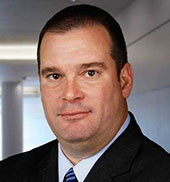
Kurt is experienced in the defense of personal injury and property damage litigation including FELA, trucking, product liability, class action and mass tort litigation. Kurt is experienced in the defense of personal injury and property damage l... |
|
|||||
|
Partner
|
St. Louis
|
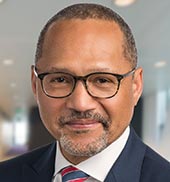
Retired Judge Booker Shaw is a skilled litigator and appellate advocate who brings valuable insight and perspective gained from his more than 25 years on the bench. Retired Judge Booker Shaw is a skilled litigator and appellate advocate who... |
|
|||||
|
Partner
|
St. Louis
|
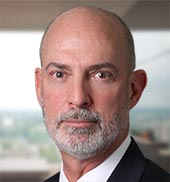
Peter is an environmental attorney who helps companies respond to major environmental incidents, navigate regulatory actions and successfully resolve civil and criminal l... Peter is an environmental attorney who helps companies respond to major env... |
|
|||||
|
Senior Counsel
|
St. Louis
|
Dave represents railroads and major manufacturers in environmental and occupational exposure litigation throughout the Midwest and across the country. Dave represents railroads and major manufacturers in environmental and occu... |

|
|||||
|
Partner
|
Southern Illinois
|
Erick is a litigation partner in the Firm's Southern Illinois office. Erick is a litigation partner in the Firm's Southern Illinois office. |

|
|||||
|
Associate
|
Southern Illinois
|
Mike practices in the Litigation Group, with an emphasis on products liability, toxic torts, railroad litigation and business litigation. Mike practices in the Litigation Group, with an emphasis on products liabil... |
|
|||||